Colors To Make Purple
Colors To Make Purple. Cool red and warm yellow are the furthest away from yellow. Purple hex/rgb color code = #800080 = 128*65536+0*256+128 = (128,0,128).
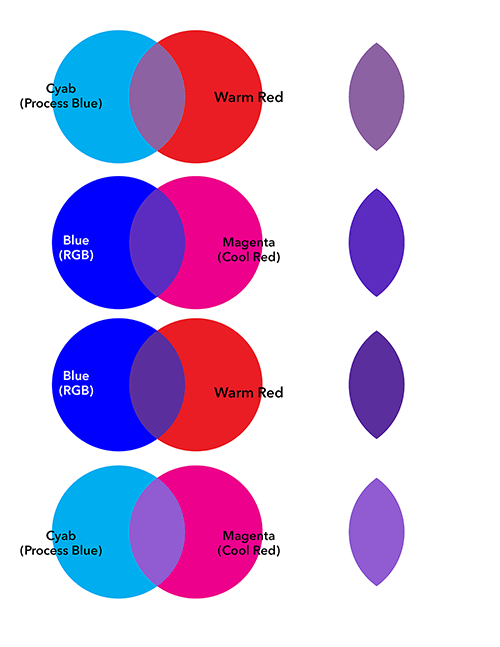
Color is a visual perception that uses the electromagnetic spectrum. It isn't an intrinsic characteristic of matter but rather something that is influenced by a myriad of variables. This includes reflections, absorption, and light interference spectra.
Primary colorsThe history of primary colors is lengthy. One of the first attempts at defining them was made by Isaac Newton. Isaac Newton described sunlight as "primary shades." Hermann von Helmholtz also tried. His suggestion was for a yellowish-green.
The three most important colors are red blue, and green. These colors are crucial for our eyesight. Understanding how colors are made is crucial.
Mixing paints requires that you consider the undertones. You don’t want to create an unattractive, muddy hue. The temperature and value of a primary hue can be altered by adding black or white.
Secondary colorsSecondary colors are made by mixing secondary and primary colors. Combining the correct primary and secondary colors will result in numerous color combinations.
When choosing colors for your painting, a traditional color wheel is a good idea. With a color wheel, you will be able to ensure that your artwork is attractive and balanced to the eye.
Your painting will look more appealing if you employ secondary colors. This is especially true for secondary colors mixed with the appropriate primary colours. It's a striking artwork that people are sure to love.
You can make your own palette by understanding the color theory. It can help you save money and time. For example, you'll have the ability to select the right secondary colours to paint with.
The color theory of AristotleThe theory of color developed by Aristotle was an essential element in the development many sciences. Aristotle examines the connection between color and light in his work Colorology. Aristotle also explains the origins of the colors, the color techniques and the connections between colors and objects.
According to Aristotle the concept of color is a realisation of transparent matter. The only way for a body to be colored is if it is illuminated. Aristotle however argued that light is not the only requirement for a body to be colored. He claims that a body is not colored if it is in the dark of a space.
Aristotle believed that color is a power that is able to reflect light. This is the way to understand his view. It is not an untruth, as some seventeenth-century philosophers may have thought.
Additive mixingThere are a variety of applications for mixing color which include silk-screening, printing and televisions. The basic colors used for additive color mixing are blue, red or yellow. Two or more spectral lights are utilized to produce the desired colors.
A trinity occurs by the color that is mixed with another color. This allows designers the ability to create a variety of color relations. A red, green , and blue combination can create the brown color.
The simplicity of triadic color mixing could make it more difficult to understand than subtraction color mixing. Also, you will need to think about different combinations of spectral lights and a mixture model. It is essential to put two lights close to each other before subtractive colors are mixed.
Newton's discovery and use of colorIsaac Newton's discovery that the color of light can be observed is a landmark in the scientific history. However, the specifics aren't as simple as they seem.
Newton, an academic at Cambridge University (England), spent a lot of time studying the properties and applications of light. He realized that light is composed of small particles. An array of tests were carried out to determine how the particles behaved.
He looked into rainbows and realized that light is created by passing through a prism. The rainbow is comprised of a variety of colors. They can then be refracted back into white light.
He also wrote a complete book on the subject called The Book of Colours. The theories he developed on color were laid out in the book.
Color and learningThe power of color can be a significant influence on the focus and performance of students. Although it might not be obvious, this connection is obvious. It is crucial to take into consideration the learning needs of learners when choosing a color scheme for the classroom environment.
A growing body of research is examining the effects of color in learning. These studies have examined various aspects of color such as its ability to impact attention, mood, and retention.
Recent research compared the performance of cognitive students in achromatic and colored learning environments. These findings suggest that there are some differences in the effects of color on ages and genders and that more complex effects may occur when the color is more specific to the learners' cognitive abilities.
By layering various wavelengths of light and mixing them with a white body, this color mixing technique can help you to create any color you desire. Blue plus red plus yellow equal brown. Purple is made by combining red and blue light.
You Can Choose Any Of The Yellow Colors To Make Your Purple Color As You Want.
12 rows to make a purple color cooler, simply put in more blue color. Try mixing equal parts to create a pretty deep purple. If it is too dark/blue for your liking, add a little more red to it.
Start By Mixing Equal Parts Of Blue And Red Paint To Create A Traditional Purple Color.
How to make purple colour by mixing two colours. This can be done in different proportions to create different shades of purple, from a deep, rich hue to a light lavender color. Purple is made by combining red and blue light.
Primary Yellow Amsterdam + Purple Montmarte = Brown.
Here is a list of the more common blues and reds and their color bias. In reality, colors that go with purple span a spectrum of shades, including black, navy blue, white, and metallics. By layering various wavelengths of light and mixing them with a white body, this color mixing technique can help you to create any color you desire.
If You Mix Dioxagine Purple With.
Then, add white paint to lighten the shade as desired. Blue + red + yellow = brown. If purple doesn’t come out on the mixture, you can start again with 12 drops of pink food coloring and.
For A Brighter Purple, Add More White;.
Mixing yellow and purple will give you a brown shade depending on the amount you’ll use and the shades of the. Dioxazine purple provence violet bluish Therefore by mixing these two.